
Silent Meditation Retreats in Thailand: Suan Mokkh and Wat Ram Poeng
Two long-running monastery courses, one in Chaiya and one in Chiang Mai, compared on schedule, rules, cost and who each suits.
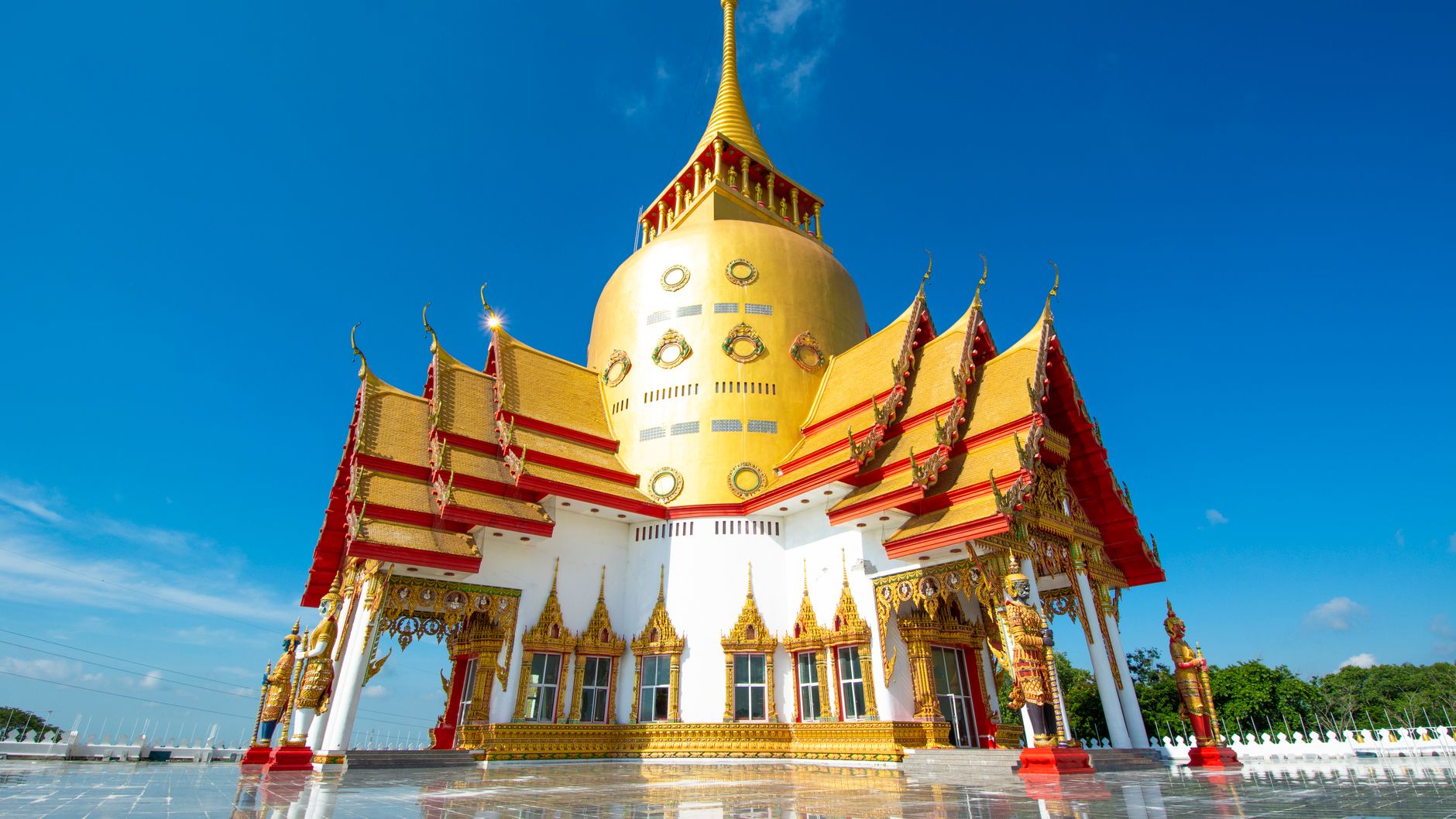
The first bell rings before dawn. At Wat Suan Mokkh in Chaiya, in Surat Thani province, the retreat day starts at 04:00, and by 04:45 everyone is already sitting. Phones are handed in, and nobody speaks.
Thailand has dozens of places that teach meditation to foreigners, from resort-style programmes to forest monasteries. This guide covers two established temple courses: Suan Mokkh in the south and Wat Ram Poeng in Chiang Mai. Both publish their rules and fees openly. Neither is a holiday. Both are monastic training, and both ask a lot of you.
How we chose
We used the two centres’ own websites for dates, fees and rules, and left out booking-platform listings. Both run on a donation or near-donation basis, both are open to foreign first-timers, and both state their rules plainly. Details change, so confirm with the temple before you travel.
Suan Mokkh: ten days in a coconut grove
The monastery was founded in 1932 by the monk Buddhadasa Bhikkhu, according to Wikipedia. Its name is usually translated as “Garden of Liberation.” Its International Dharma Hermitage teaches the 10-day silent retreat in a coconut grove at the monastery.
The method is anapanasati, mindfulness of breathing, which moves from concentration towards insight (vipassana). The course also introduces core Buddhist teachings such as the Four Noble Truths.
The shape of the course. Retreats start on the 1st of every month and end on the 11th. You cannot book ahead. Registration is in person on the last day of the previous month, between 07:00 and 15:00, and includes a short interview with a staff member. Places go on a first-come basis.
A typical day. The published timetable runs from 04:00 to lights out at 21:30. It mixes sitting and walking meditation, Dhamma talks, chores after meals, and chanting with loving-kindness (metta) practice at 17:00. A tea and hot-spring break comes at 18:00. Yoga or exercise at 05:15 is optional, and everything else is compulsory.
Rules. The silence is complete. Phones, tablets and laptops are handed in. Meals are two vegetarian meals and an evening drink, with no special diets and no outside food. Clothing must cover the body from the shoulders to below the knees and must not be see-through. Rooms are small and private, with shared toilets and baths.
Cost. The registration fee is ฿2,000 and is non-refundable, per the retreat’s own site. It covers all expenses for the ten days.
Who it suits. First-timers who want a defined, short course with a clear timetable. The centre says the retreat is not suitable for people with mental disorders or drug addictions, and that participants should be in good physical and mental health.
Wat Ram Poeng: a longer course in Chiang Mai
Wat Ram Poeng (Tapotaram) is a temple and insight meditation centre in Chiang Mai. It teaches vipassana through the Four Foundations of Mindfulness: body, feelings, mind and mind-objects. Practice is walking and sitting, such as noting the rising and falling of the abdomen.
The shape of the course. The standard course is 26 days, with a minimum stay of 10 days and a maximum of 45. Check-in dates run two or three times a month. The 2026 dates still ahead are 13 and 26 November, and 10 and 23 December. You arrive one or two days early for an interview and registration, with a passport and a printed passport photo.
A typical day. The daily routine starts at 04:00 and includes a morning breakfast bell at 06:00 and lunch at 10:30. Foreign meditators report to the teacher once a day, at about 14:00, with short and direct answers. Sleep can begin at 22:00.
Rules. You take the eight precepts at the opening ceremony. White clothing is worn day and night, and the temple store sells it. You may not talk about your practice, read, write or use a phone. The centre does not accept smokers, and the temple can ask anyone who ignores the rules to leave.
Cost. Accommodation and meals (breakfast and lunch) are free. A one-time ฿500 fee covers bed laundry and the supplies for the opening and closing ceremonies. Donations are welcome on the last day, by cash or bank transfer only.
Booking. Unlike Suan Mokkh, you can reserve by email, phone or walk-in. The office lists a foreign affairs number and email for requests.
Side by side
| Suan Mokkh (Chaiya) | Wat Ram Poeng (Chiang Mai) | |
|---|---|---|
| Length | 10 days, fixed | 26 days standard, 10–45 allowed |
| Start | 1st of each month | Two or three check-ins a month |
| Booking | In person, day before | Email, phone or walk-in |
| Fee | ฿2,000 | ฿500, plus donation |
| Method | Breath mindfulness | Insight, rising and falling |
| Dress | Modest, covered | White clothing throughout |
What to ask yourself first
Silent courses are demanding. Days start in the dark, sitting is long, and the quiet can bring up difficult thoughts. These are monastic courses, not therapy. If you are managing a mental or physical health condition, talk to your doctor before you commit.
Also check that your permitted stay in Thailand covers the full course. A 26-day programme plus travel time is longer than many short visits.
A small practice is a good place to start if the full course feels like too much. Try ten silent minutes after breakfast, and notice what you reach for when it gets quiet.
Know before you go
- Where: Suan Mokkh, Chaiya, Surat Thani; Wat Ram Poeng, Chiang Mai.
- Price: ฿2,000 for the 10-day course at Suan Mokkh; ฿500 fee plus donation at Wat Ram Poeng (as published by each centre, October 2026).
- Book: Suan Mokkh, Wat Ram Poeng.
- Good for: People who want structured, silent practice and accept simple rooms and strict rules.
- Check first: Dates, dress code, your visa length, and whether the course suits your health.
Mali. Mali writes about spas and retreats, meditation and spirituality, food and slow living across Thailand. Her name means jasmine in Thai; she believes rest is a skill, and that the best retreat is the one whose habits you take home.
RestRobin is editorial content, not medical advice. Prices, programmes and opening details change, so check with the provider before you book, and talk to a qualified doctor before starting a treatment, fast or detox programme.