
Healthy Cooking Classes in Thailand: What They Cost and What You Learn
Thai cooking classes in Chiang Mai, Bangkok and Koh Lanta compared on published prices, what a day involves, and what a class cannot do for your diet.
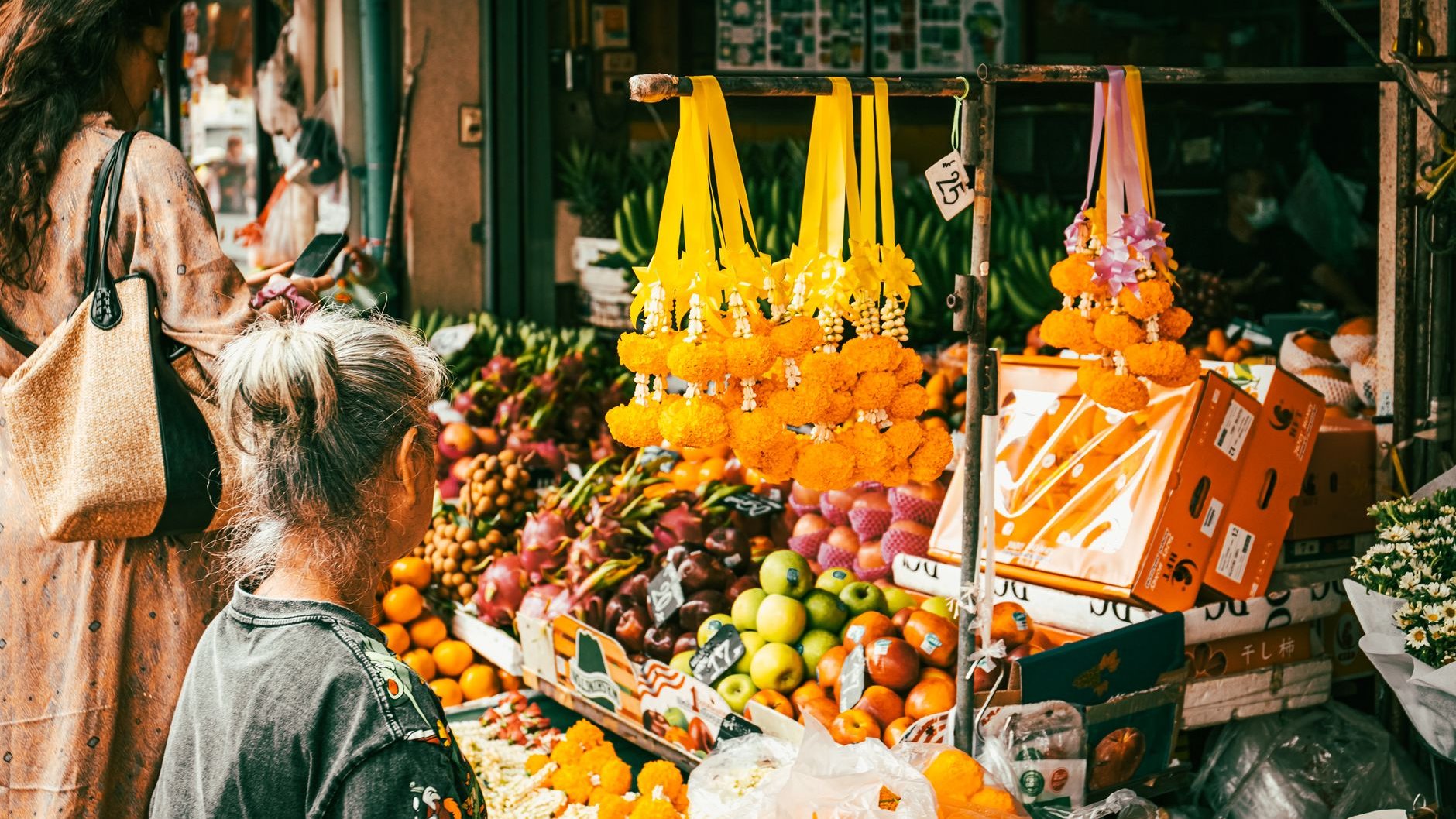
A good Thai cooking class starts before the stove is lit. In Chiang Mai the full-day schedules open with a 45 to 60 minute walk through a market, often as early as 6 am. Some schools then move to an organic farm to pick the vegetables you will cook.
This guide compares classes in Chiang Mai, Bangkok and Koh Lanta for people who want to learn how to cook Thai food with fresh ingredients. We use published prices, and we also cover what a class cannot do, which is turn a recipe into a diet plan.
How we chose
We looked for schools that publish a format, a duration and a vegetarian option, in the three areas named in the headline. Prices come from a Chiang Mai guide on the Byklo blog (updated May 2026), a Bangkok booking page and a Koh Lanta booking page. They are not quotes from the schools, so confirm before you book. Several schools’ own sites would not load for us, so some details come from third parties.
At a glance
| School | Where | Format | Price (as listed) |
|---|---|---|---|
| Thai Farm Cooking School | Mae Rim, Chiang Mai | Full day on an organic farm | ฿1,200 to 1,800 |
| Smile Organic Farm | Mae Rim, Chiang Mai | Full day, vegan and vegetarian | ฿1,500 to 2,000 |
| Asia Scenic | Old City and Hang Dong, Chiang Mai | Half or full day | ฿1,000 to 1,500 |
| Smart Cook | Old City, Chiang Mai | Half day or evening | ฿800 to 1,200 |
| Baipai Thai Cooking School | Chatuchak, Bangkok | Half day, about 4 hours | US$81.85 per adult |
| Lanta Thai Cookery School | Koh Lanta | Half day, 4 hours | US$56.58 per guest |
Chiang Mai: farms and markets
Chiang Mai has the most choice. The Byklo guide lists half-day classes at ฿800 to 1,500 and full-day classes at ฿1,500 to 2,500, with organic farm classes between ฿1,500 and 2,000. Its own table and text disagree on the farm range, so treat the figures as a guide. It says half days last three to four hours and full days six to eight, including the market tour, cooking and meal.
Full-day classes typically begin at Talat Warorot or Talat Tonpayom. Farm schools such as Thai Farm, Smile Organic and Khom Loy add a garden or herb walk. The guide describes Thai Farm as cooking over charcoal. It names Smile Organic as a plant-based specialist.
Group size matters. The guide says Mama Noi, a family-run school in Hang Dong, teaches groups of four or five. It says Asia Scenic’s Old City classes sometimes hold 12 to 14 students, which it calls too many for one-on-one help.
A booking page for Baan Farm Thai Cooking School lists a four-hour class with a market tour and a visit to its organic farm, with pick-up at 9 am or 2 pm. It says children under 12 cannot join, and hotel transfers cover only hotels within 6 km of the Old City.
Bangkok: a four-hour class in Chatuchak
Baipai’s own site describes a half-day class at your own cooking station, with morning (9:30 to 13:30) and afternoon (13:30 to 17:30) sessions. It is closed on Sundays and public holidays. The class includes either an organic herb garden visit or a market tour, and the school says a vegetarian option is available. Its site gives no price.
A booking platform lists the class at US$81.85 per adult, with four dishes, lunch and a recipe book. The same page says both “free cancellation” and “non-refundable”, so check the terms before paying.
Koh Lanta: a half day by the sea
Lanta Thai Cookery School’s half-day class appears on the byFood booking site at US$56.58 per guest for four hours. It includes a recipe book, a certificate, free hotel transfer between Saladan and Kantiang Bay, and take-home leftovers. The page says dishes can be vegetarian, vegan, spicy or mild, and non-cooking guests pay ฿500. A market tour is a separate listing.
How the prices compare
The listed prices span a wide range. A Chiang Mai half day can cost as little as ฿800. The Bangkok class is listed at US$81.85 and the Lanta class at US$56.58, a gap of about US$25 for the same four hours. Part of that gap may be the booking platform’s margin, since these are not the schools’ own prices. Compare what each price includes before you compare the totals.
Eating well, in practice
A cooking class teaches technique, not nutrition. It is still a good place to ask practical questions. Surasak Kantachuvesiri of the Less Salt network told the Bangkok Post that Thais average 3,636 mg of sodium a day, against the WHO’s recommended 2,000 mg. The survey did not name specific foods, so ask your teacher how much fish sauce, soy sauce and sugar a dish uses and what you can reduce.
Chiang Mai’s guide says most schools need about 48 hours’ notice for dietary restrictions. If you follow a medical diet, are pregnant or have a food allergy, tell the school at booking and speak to your doctor first.
Know before you go
- Book a morning class if you want the market, which is at its best early.
- Ask about group size, not only price.
- Check what is included: transfers, lunch and take-home recipes vary.
- Mention allergies in writing, and confirm the school can cater for them.
- Ask whether the market tour is included or optional.
The most useful thing a class gives you is a few dishes you can make at home with ingredients you can find. Pick a recipe you would cook on a Tuesday, not only one for a special day.

Mali. Mali writes about spas and retreats, meditation and spirituality, food and slow living across Thailand. Her name means jasmine in Thai; she believes rest is a skill, and that the best retreat is the one whose habits you take home.
RestRobin is editorial content, not medical advice. Prices, programmes and opening details change, so check with the provider before you book, and talk to a qualified doctor before starting a treatment, fast or detox programme.