
Thai Superfoods Explained: What the Research Actually Says
Moringa, butterfly pea, turmeric, tamarind and lemongrass: how Thai cooks use them, what the best available research shows, and where the evidence is thin.
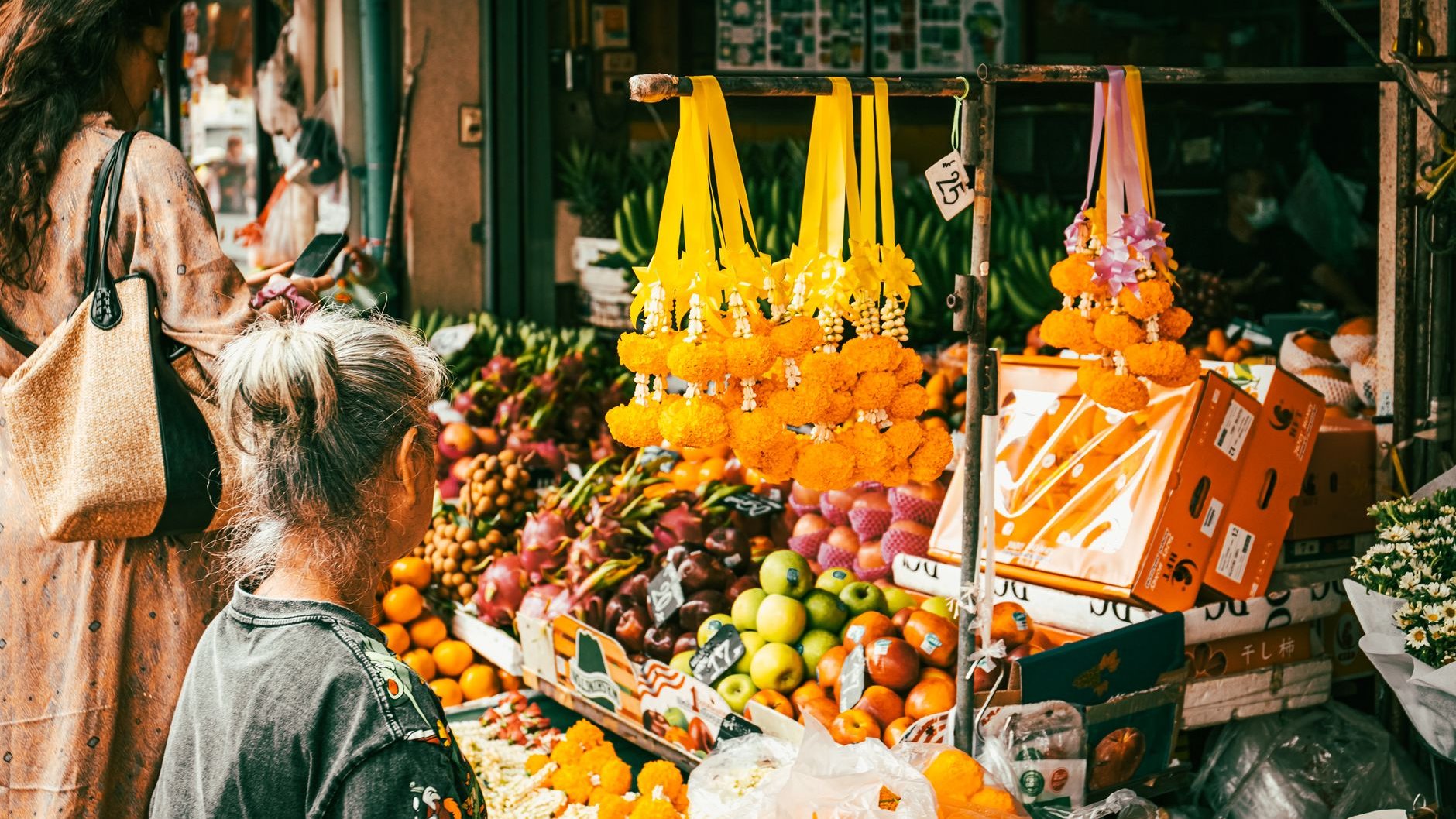
In Thai kitchens, the plants that wellness brands call superfoods are just ingredients. Moringa goes into curries and omelettes, sour tamarind into sauces and soups, and lemongrass and turmeric into the pastes that start many dishes.
This guide looks at five of them: moringa, butterfly pea, turmeric, tamarind and lemongrass. For each one it says how Thai cooking uses it, then what the best available research shows. The short answer is that food is food, and the evidence for pills and powders is much thinner than the labels suggest.
How we chose
We picked five plants that appear on Thai menus and in wellness shops, then looked for systematic reviews, meta-analyses and health-agency fact sheets rather than single studies or product pages. We have not tasted or tested anything, and we do not give amounts or dosing.
Moringa
Moringa is called marum in Thai. According to a Thai cookbook site, most of the tree is edible: the long pods, leaves, flowers and roots appear in curries, stir-fries, soups, omelettes and salads.
A 2025 meta-analysis pooled nine randomised trials with 649 participants and looked at weight, blood pressure, cholesterol and blood sugar. It found a small fall in diastolic blood pressure that disappeared when some studies were excluded. It found no clear effect on the other measures. The authors rated the certainty of the evidence very low and said moringa should not yet be used alone to manage heart or metabolic risk.
Butterfly pea
Butterfly pea flowers, dok anchan, are mostly used to make a blue colouring for rice and sweets such as khanom dok anchan. They can also be eaten raw or fried.
A 2021 review of the flower’s pigments found most of the antioxidant data came from lab assays and cell studies. The authors warn those results should not be read as effects inside the body. They described one human study, in 18 healthy men, in which an extract taken with sugar blunted the rise in blood glucose and insulin. That is a small, narrow result, not proof of a health benefit.
Turmeric
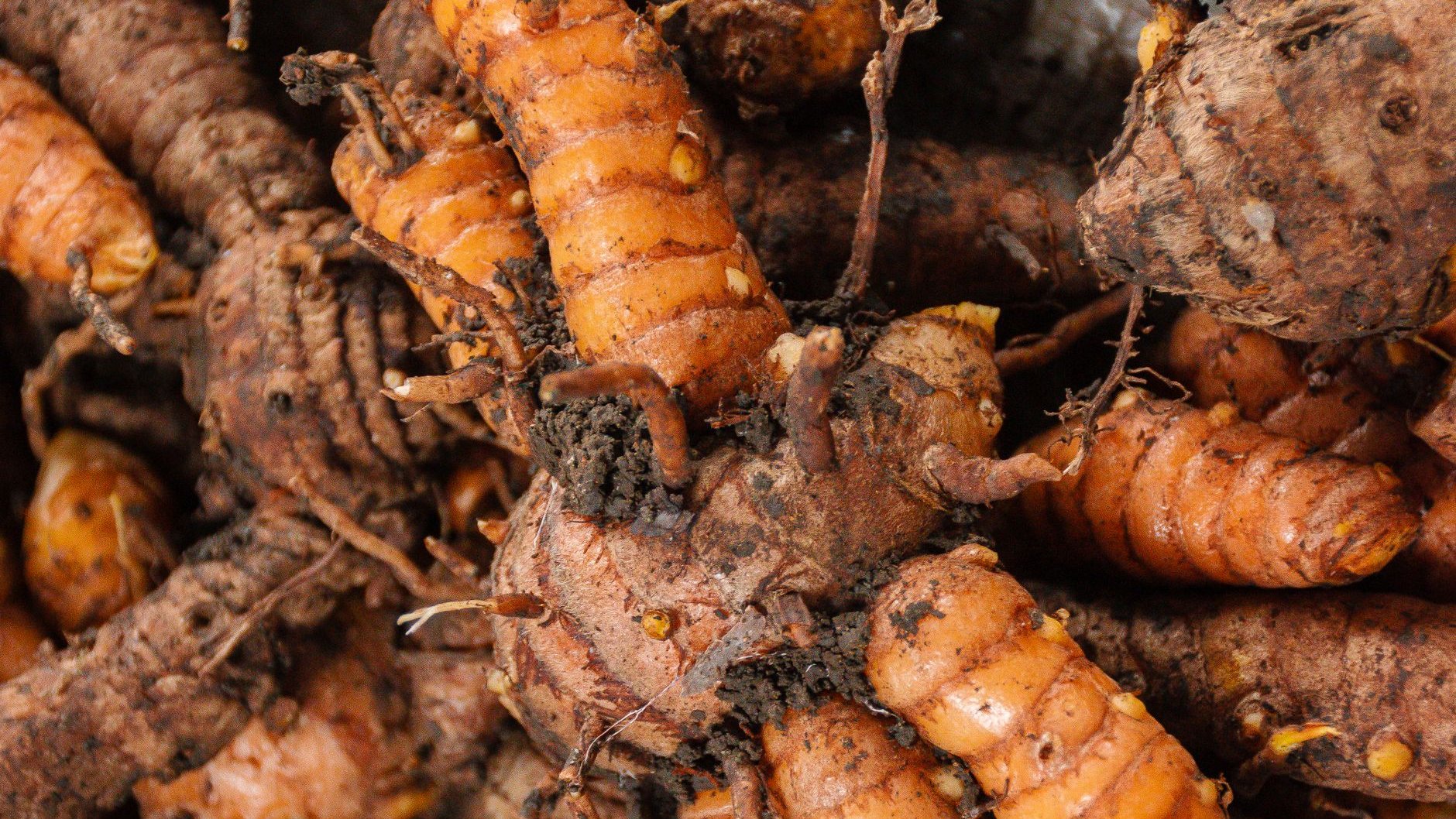
Turmeric, khamin, gives colour and earthiness to many Thai curries and soups. Thai cooks add it to the base paste of onion, garlic and pepper, along with other herbs, to deepen flavour.
The US National Center for Complementary and Integrative Health, updated in April 2025, says we do not know enough to conclude that turmeric or curcumin helps any health condition. Early evidence for knee osteoarthritis looks positive but needs better studies. Highly absorbable curcumin products may harm the liver in some people. Turmeric supplements may be unsafe during pregnancy.
Tamarind
Tamarind, makham, comes in two kinds. Sour tamarind grows across the country and goes into sauces and soups, including the sauce for pad Thai. Sweet tamarind, makham wan, is harvested in a few provinces, with Phetchabun and Loei the best known, and is eaten fresh or dried. A travel site gives the season as November to February.
A 2025 review of 31 laboratory and animal studies found extracts from several parts of the plant lowered blood sugar in experimental models. It did not report human trials. The authors call for more work to confirm safety for patients. Eating tamarind as food is a different matter from taking an extract.
Lemongrass
Lemongrass, takrai, is bruised and added to soups and pastes to release its juices. Cooks use it sparingly because it blends easily with other herbs.
Memorial Sloan Kettering’s integrative medicine page, last updated in November 2022, says lemongrass has been used traditionally for sleep, anxiety and stomach complaints, but those effects have mostly been shown in animals. In clinical studies, lemongrass tea did not lower anxiety. The page suggests avoiding it during pregnancy and warns that the essential oil can harm the liver at high doses.
How to read these findings
The findings above come from different kinds of evidence, and they are not equal. Lab assays and cell studies show what a compound does in a dish. Animal studies show what happens in an animal. Only well-run trials in people show what happens in people, and most of the plants here have few of those.
That is why the same plant can look impressive in a headline and thin in a review. When a product cites a study, ask who was studied and what they took.
What this means for buying
- Food forms are the safest default. Fresh herbs, pods and sauces are used in the amounts Thai cooks use them.
- Be sceptical of powders and capsules. The research above is mostly on extracts, supplements, animals or small trials. It does not show that a powder will do what a label says.
- Ask what is in the product. Curcumin content varies between supplements, and some contain extras such as black pepper extract, which raises absorption.
- Pregnancy, medication and illness. If you take medicines, are pregnant or have a health condition, talk to a doctor or pharmacist before using any herbal product.
Know before you go
- Where: Fresh markets across Thailand. Sweet tamarind harvests are centred on Phetchabun and Loei.
- Price: We found no reliable current price list for these ingredients, so we give none.
- Book: No booking needed.
- Good for: Curious cooks and travellers who want to know what is behind the wellness labels.
- Check first: Whether a product is a food or a supplement, what else is in it, and what your doctor says about herbal products.
Next time you see a green powder or a blue drink, ask what is in it, then compare it with the plain ingredient on the market stall.

Mali. Mali writes about spas and retreats, meditation and spirituality, food and slow living across Thailand. Her name means jasmine in Thai; she believes rest is a skill, and that the best retreat is the one whose habits you take home.
RestRobin is editorial content, not medical advice. Prices, programmes and opening details change, so check with the provider before you book, and talk to a qualified doctor before starting a treatment, fast or detox programme.