
Short-Term Ordination for Foreigners in Thailand: What It Involves
What temporary monkhood involves for a foreigner in Thailand, the three routes people take, and the questions to settle with a temple before you commit.
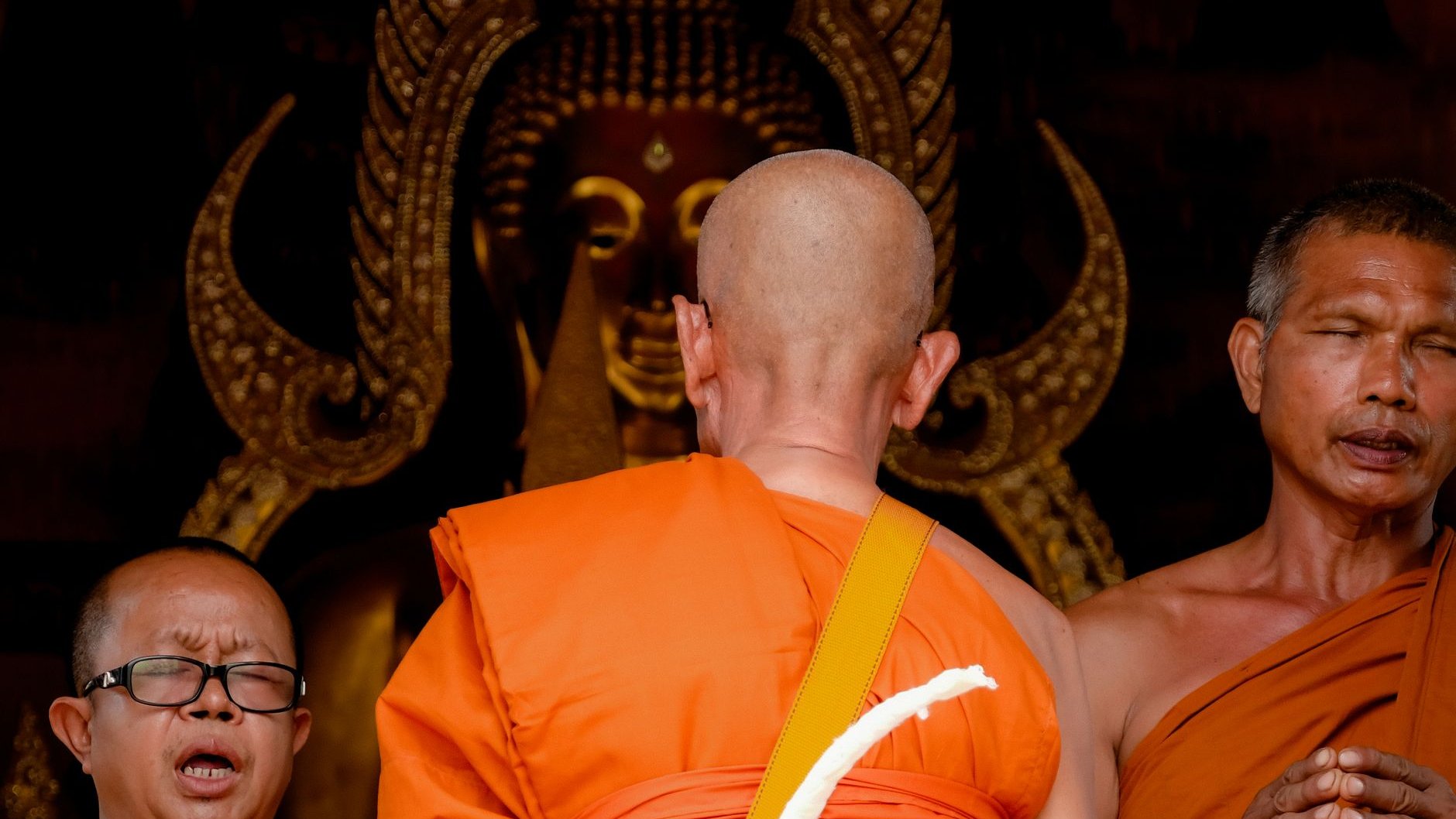
For a Thai man, spending a few weeks in saffron robes is an ordinary rite of passage. For a foreigner the path is less defined. We found no national visitor scheme, and the sources suggest each temple decides who it will ordain, on what terms and for how long.
This guide explains what short-term ordination involves, the three routes foreigners take, and the questions to settle before you shave your head. The sources are a mix of temple pages, news reports and writers who ordained, and several are dated, so contact a temple before you plan anything.
How we chose
We looked for first-hand rules published by a temple, official action reported in Thai media, and accounts by people who have ordained. We did not find a current, official list of temples that accept foreigners for short stays, so we name none as recommended. If you want a quieter introduction first, read our guide to silent meditation retreats.
What ordination means
Men can be ordained as novices (samanera) or as full monks (bhikkhu). Women cannot become monks in Thailand, though they can live as nuns, according to a guide on Expat.com whose author ordained at Wat Pho in Bangkok in 2007. The author ordained for two months and writes that modern temporary ordinations for Thai men usually last about two weeks.
The same guide says that more than 200 monastic rules apply from the moment of ordination. They include wearing only robes, not eating after noon, not sleeping in high beds, avoiding alcohol, not handling money and not touching women. Learning the Pali vows and chanting is the hardest step, it adds, and the head is shaved in a ritual.
Three routes foreigners take
1. A temple that knows you. The Expat.com guide says no formal rule limits who may ordain, but temples typically will not accept someone they do not know. In practice that points to contacting a temple well ahead and being introduced, rather than turning up and asking.
2. A monastery built for international students. Wat Pah Nanachat, a forest monastery, publishes a long path rather than a short stay. A guest stays more than a month, then may ask to become a white-robed postulant, then a novice, and only after at least a year as a novice, a monk. It asks for good physical and mental health, insurance, enough money for visas and emergencies, and no phones or laptops. It says it cannot accept people with a history of mental illness. Visas are the applicant’s cost until novice ordination, and novice ordination requires a parent’s permission.
3. A commercial cultural-exchange programme. A 2010 article on Monk for a Month at Wat Sri Boen Ruang in Fang, Chiang Mai, described a paid programme. Participants had seven days of teaching, learned some Pali chanting and were ordained as novices in the same ceremony as Thai novices. The programme was priced rather than donation-based, and the article noted that some outsiders criticised mixing religion and commerce. A 2015 University of Chicago commentary by the same author, Brooke Schedneck, made a related point. It said cultural exchange programmes and international meditation centres are not regulated under the national system that oversees Thai monks’ mission trips abroad. We could not confirm that the Fang programme still runs, so treat it as an example, not a referral.
Rules, visas and what to check
Visa questions deserve care. The Office of National Buddhism can issue a recommendation letter, under a 2003 regulation, that lets a foreigner studying or practising Buddhism extend a visa. Daily News reported in October 2024 that the office revoked such letters for two Lao monks after a temple ordered them to leave, and that it asked immigration to cancel their visas. The report does not list the qualifications the office requires. It shows the letter depends on good standing with your temple.
Before you commit, ask the temple these questions:
- Which ordination status are you offering, and for how long?
- What does it cost, and is it a fixed price or a donation?
- Who sponsors the visa, and what does the temple expect me to arrange?
- What must I learn before ordaining, and who teaches me?
- What are the daily schedule and the rules about phones and money?
- What is the exit process if I want to disrobe early?
Is it right for you?
The Expat.com guide suggests that anyone mainly wanting a meditation experience may find a lay retreat more suitable. Monkhood brings duties such as alms rounds and ceremonies, plus the discipline of the rules. That is a fair test. Ordination is a commitment to a community, not a retreat package.
Meditation and monastic life are practices, not treatment. If you are dealing with depression or another mental-health condition, speak to a doctor before you go. Wat Pah Nanachat says it cannot accept people with a history of mental illness.
Know before you go
- Read our temple etiquette guide before visiting any temple.
- Plan for a lay stay before any ordination. Wat Pah Nanachat asks guests to stay more than a month first.
- Ask how much Pali chanting you must learn before the ceremony.
- Keep your return ticket and insurance in order.
Wanting a shaved head and quiet mornings is not the same as being ready for the rules. Spend a week as a guest and see whether the quiet suits you.
Mali. Mali writes about spas and retreats, meditation and spirituality, food and slow living across Thailand. Her name means jasmine in Thai; she believes rest is a skill, and that the best retreat is the one whose habits you take home.
RestRobin is editorial content, not medical advice. Prices, programmes and opening details change, so check with the provider before you book, and talk to a qualified doctor before starting a treatment, fast or detox programme.