
Thailand’s Hot Springs Worth the Trip: Five Places Compared
Five hot springs in Ranong, Krabi, Chiang Rai and Kanchanaburi with published temperatures, fees and hours, and what a Cochrane review found on mineral baths.
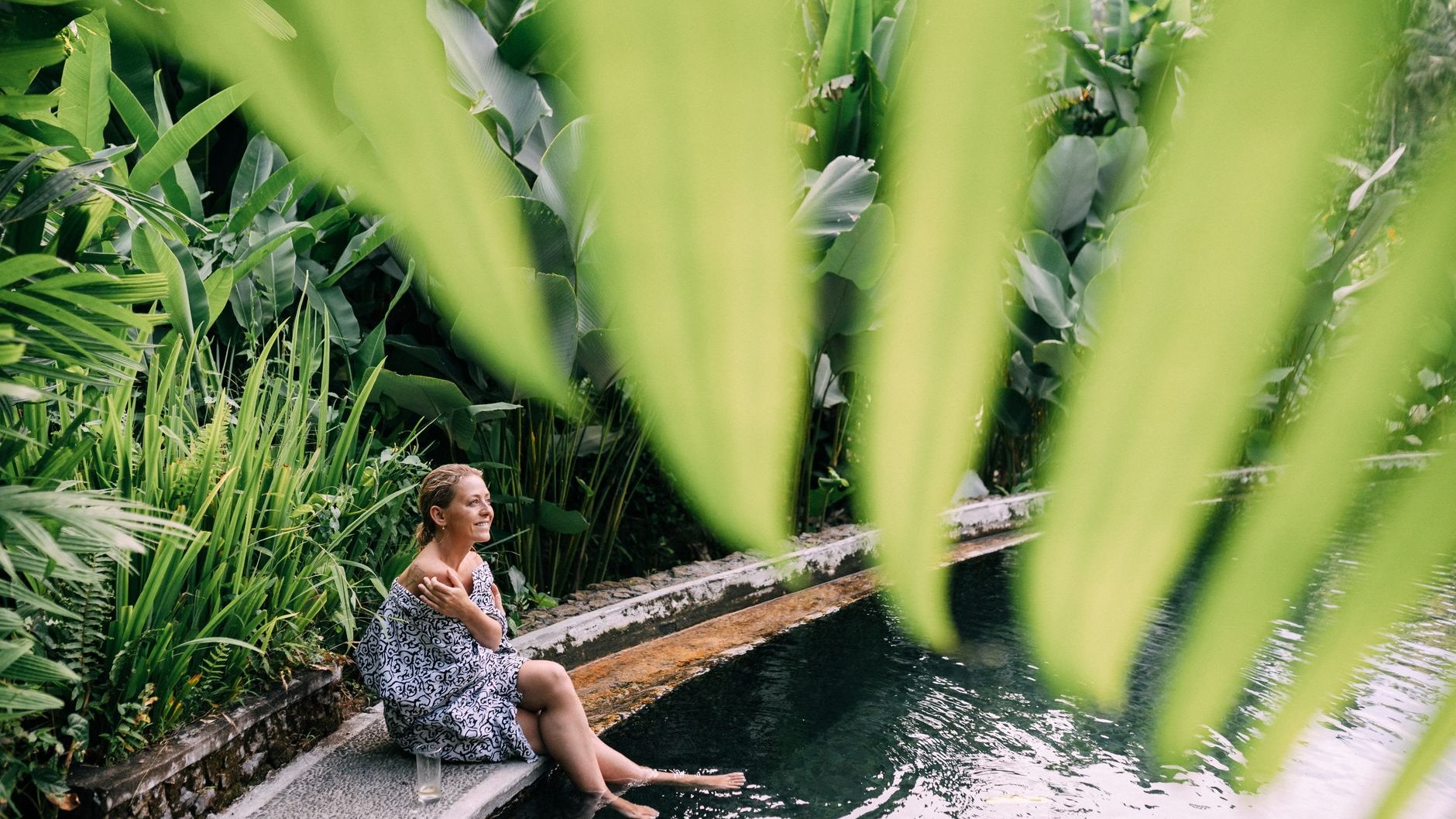
Hot water comes out of the ground in more than one way in Thailand. At Raksawarin in Ranong, three source pools sit at about 65°C, far too hot to touch, while a few steps away visitors soak their feet in basins at roughly 40°C. Elsewhere you can wade into a forest stream, book a private mineral bath or simply boil an egg.
This guide covers five hot-spring sites in four provinces with the temperatures, fees and opening hours that published sources give. It also says what research on mineral baths actually found, which is less than the brochures suggest.
How we chose
We picked sites in the four areas named in the headline that have a published fee or hours, and that a visitor can reach without a tour. Figures come from tourism listings and a tour operator, not from the sites themselves, so confirm fees and hours locally before you travel. Temperatures are the sources’ estimates, not our measurements.
At a glance
| Site | Province | Water temperature (as listed) | Entry (as listed) | Hours (as listed) |
|---|---|---|---|---|
| Raksawarin Hot Springs and Public Park | Ranong | About 65°C source pools, about 40°C foot baths | Free | 05:00 to 21:00 |
| Khlong Thom Hot Springs | Krabi | 40 to 43°C | ฿200 foreign adult, ฿100 child | 08:30 to 18:00 |
| Pong Phrabat Hot Spring | Chiang Rai | 48 to 50°C at the surface | Free for the general area, some baths charged | 07:00 to 17:00 |
| Mae Khachan Hot Spring | Chiang Rai | Up to about 80°C | Free for the area, some baths about ฿200 | 07:00 to 19:00 |
| Hin Dat Hot Spring | Kanchanaburi | 40 to 50°C | ฿40 to 60 for foreign visitors | 06:00 to 22:00 |
Ranong: a town park with a free foot bath
Raksawarin is about 2 km east of central Ranong, so it suits a stop between errands rather than a day trip. The three source pools are named Bo Pho (father), Bo Mae (mother) and Bo Look (child), and Bo Pho is the largest and hottest. They are for looking at, not bathing. The pools are too hot to touch, and the listing advises keeping children away.
The public foot-bath basins are free. Visitors boil eggs in the hottest pool, but there is no egg seller on site, so bring your own from town. The listing says the water has no sulfur smell. Shaded paths and picnic spots surround the pools, and the listing gives the hours as daily 05:00 to 21:00 while noting no closing time is posted, so ask locally.
Krabi: forest pools at Khlong Thom
Khlong Thom is the most developed site here. A tour operator’s guide describes a walk of roughly 400 metres from the car park to a warm stream, a warm waterfall and about ten small clear pools, each around a metre deep. Showers and toilets are available.
The guide recommends arriving around 8 am, before the crowd it expects from about 9. It also warns that the rocks are slippery in places. A second park, Saline Hot Springs, lies about 11 km west with eight man-made pools, and the same guide says one ticket covers both if you keep it. The temperature figure for Khlong Thom has no stated measurement source, so treat it as a rough guide.
Chiang Rai: two very different springs
Pong Phrabat sits a short drive from Chiang Rai city in Ban Du, reached by Highway 1151 from Phahonyothin Road. The listing says the surface water is about 48 to 50°C, with foot-soaking pools, mineral bath rooms, private soaking rooms and massage at certain times. The general area is free. Some bathing services charge separately. The same page says fluoride and sulfide levels exceed the standard for drinking mineral water, so the water is for bathing only.
Mae Khachan is on Highway 118 near kilometre 64 to 65 in Wiang Pa Pao district, on the road towards Chiang Mai. Its three natural pools are each about three metres wide and reach roughly 80°C, which the listing says boils an egg in about three minutes. There are foot-soaking troughs, restaurants, souvenir shops and a private mineral bath house across the road. Access to the area is free, while some mineral bath services cost about ฿200 per person.
Kanchanaburi: Hin Dat in the forest
Hin Dat lies in Thong Pha Phum district beside a river, about two to two and a half hours by car from Kanchanaburi town according to one guide. Three concrete pools run between 40 and 50°C, and a fourth is reserved for Buddhist monks. There are changing rooms, lockers for ฿20 to 30, showers and on-site massage.
The same guide says Japanese soldiers found the spring in 1943 during construction of the Death Railway. It also reports studies finding lead and fluoride levels of concern, so the water should not be swallowed. Guides disagree on the distance from Kanchanaburi town, so check a map before you set out.
What the evidence says
People often visit hot springs hoping for relief from aches. The research is thin. A Cochrane review published in 2007 pooled seven randomised trials with 498 people who had osteoarthritis. It found mineral baths may improve pain and quality of life compared with no treatment, but the authors called the evidence weak because of poor study quality.
Those trials mostly tested specific bath types, such as Dead Sea or sulfur baths, not Thai springs. None of the sources above make health claims for these sites either. Treat a soak as a pleasant, warm way to spend an hour. If you have a heart or blood-pressure condition or are pregnant, ask your doctor before sitting in very hot water.
Know before you go
- Bring a towel, a spare set of clothes and cash for small fees.
- Egg-boiling pools are for the egg, not for you. Keep hands and feet out of source pools.
- Do not drink spring water at Pong Phrabat or Hin Dat.
- Fees and hours above come from listings, not the sites, so ask on arrival.
Warm water asks very little of you. Pick one spring on your route, sit with your feet in it for a while and leave your plans for the rest of the day loose.

Mali. Mali writes about spas and retreats, meditation and spirituality, food and slow living across Thailand. Her name means jasmine in Thai; she believes rest is a skill, and that the best retreat is the one whose habits you take home.
RestRobin is editorial content, not medical advice. Prices, programmes and opening details change, so check with the provider before you book, and talk to a qualified doctor before starting a treatment, fast or detox programme.